
The Importance of Regular Oil and Filter Changes
Your vehicle’s engine is one of the most complex and expensive components to repair or replace. It contains hundreds of moving parts working together at extremely high temperatures and speeds. Without proper lubrication, these components would quickly wear out, resulting in severe engine damage.
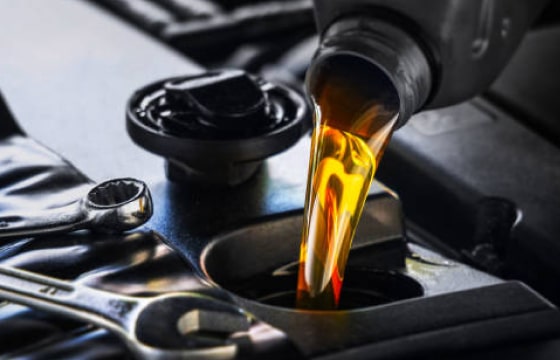
One of the simplest and most cost-effective ways to protect your engine is through regular oil and filter changes. Fresh engine oil reduces friction, removes contaminants, regulates temperature, and ensures smooth operation, while the oil filter traps harmful particles that could otherwise circulate through the engine.
Neglecting this essential maintenance can lead to increased fuel consumption, reduced engine performance, overheating, sludge buildup, and expensive repairs.
This comprehensive guide explains why engine oil is so important, how oil filters work, when to change them, and how regular maintenance can significantly extend the life of your vehicle.
Table of Contents
-
What Does Engine Oil Do?
-
Why Oil Changes Are So Important
-
What Does an Oil Filter Do?
-
Different Types of Engine Oil
-
How Often Should You Change Engine Oil?
-
Signs Your Vehicle Needs an Oil Change
-
What Happens If You Skip Oil Changes?
-
How to Choose the Correct Engine Oil
-
Oil Change Mistakes to Avoid
-
DIY vs Professional Oil Changes
-
Frequently Asked Questions
-
Why Buy Service Parts from UK Auto Parts Store?
-
Final Thoughts
What Does Engine Oil Do?
Many drivers think engine oil simply lubricates the engine. While lubrication is its primary role, modern engine oil performs several critical functions.
1. Lubrication
Metal engine components move thousands of times every minute. Engine oil creates a protective film between these moving parts, reducing friction and preventing premature wear.
Without adequate lubrication, metal surfaces would grind together, causing serious engine damage.
2. Cooling
Although the cooling system manages most engine heat, engine oil also helps dissipate heat generated by internal moving components such as pistons, crankshafts, and camshafts.
Fresh oil helps maintain stable operating temperatures.
3. Cleaning
As the engine operates, combustion produces carbon deposits, microscopic metal particles, dirt, and other contaminants.
Engine oil carries these contaminants away from critical engine parts and transports them to the oil filter.
4. Corrosion Protection
Moisture and combustion by-products can cause rust and corrosion inside the engine.
Quality engine oil contains additives that protect internal components from corrosion.
5. Sealing
Engine oil helps create a better seal between piston rings and cylinder walls, improving compression and engine efficiency.
Why Oil Changes Are So Important
Over time, engine oil loses its effectiveness.
Heat, contaminants, oxidation, and normal engine wear gradually break down the oil, reducing its ability to protect the engine.
Regular oil changes provide several important benefits.
Better Engine Performance
Fresh oil reduces internal friction, allowing engine components to move more efficiently.
Benefits include:
-
Smoother acceleration
-
Quieter engine operation
-
Improved throttle response
-
Better overall performance
Improved Fuel Economy
An engine that operates with clean, low-friction oil requires less effort to produce power.
Reduced friction means improved fuel efficiency.
Longer Engine Life
Routine oil changes are one of the most effective ways to increase engine longevity.
Proper lubrication minimizes wear on expensive components such as:
-
Pistons
-
Camshafts
-
Crankshaft
-
Bearings
-
Timing components
Reduced Repair Costs
Replacing engine oil is inexpensive compared to rebuilding or replacing an engine.
Routine maintenance helps prevent:
-
Oil sludge
-
Bearing failure
-
Overheating
-
Turbocharger damage
-
Timing chain wear
What Does an Oil Filter Do?
Every time oil circulates through the engine, it collects contaminants.
The oil filter traps:
-
Dirt
-
Carbon deposits
-
Metal particles
-
Dust
-
Combustion residue
Without an oil filter, contaminated oil would continuously circulate through the engine, accelerating wear.
Why Replace the Oil Filter Every Time?
A clogged filter cannot effectively remove contaminants.
Replacing the oil filter with every oil change ensures:
-
Better oil circulation
-
Cleaner lubrication
-
Longer engine life
-
Improved oil pressure
Different Types of Engine Oil
Choosing the correct oil is just as important as changing it regularly.
Conventional Oil
-
Lower cost
-
Suitable for older engines
-
Requires more frequent changes
Synthetic Blend Oil
Combines conventional and synthetic oils.
Advantages:
-
Better protection
-
Improved performance
-
Moderate cost
Full Synthetic Oil
The highest-quality engine oil available.
Benefits include:
-
Excellent temperature resistance
-
Longer service life
-
Improved engine protection
-
Better cold-weather performance
-
Reduced engine wear
Many modern vehicles require full synthetic oil.
Understanding Oil Viscosity
You may have seen numbers such as:
-
0W-20
-
5W-30
-
5W-40
-
10W-40
These numbers represent oil viscosity.
The first number indicates performance in cold temperatures.
The second number indicates viscosity at normal engine operating temperature.
Always follow your vehicle manufacturer’s recommended oil specification.
How Often Should You Change Engine Oil?
Service intervals vary depending on:
-
Vehicle manufacturer
-
Engine design
-
Driving conditions
-
Oil type
General recommendations:
| Oil Type | Recommended Interval |
|---|---|
| Conventional Oil | Every 3,000–5,000 miles |
| Synthetic Blend | Every 5,000–7,500 miles |
| Full Synthetic | Every 7,500–10,000 miles |
Always consult your owner’s manual for the correct interval.
Signs Your Vehicle Needs an Oil Change
Your vehicle may be telling you it’s time for fresh oil.
Common warning signs include:
Oil Warning Light
Never ignore the oil pressure or oil service light.
Low oil pressure can quickly cause catastrophic engine damage.
Dirty Oil
Fresh oil appears amber in color.
Old oil becomes:
-
Dark brown
-
Black
-
Thick
-
Contaminated
Engine Noise
Increased engine noise or knocking often indicates reduced lubrication.
Reduced Fuel Economy
Old oil creates additional engine friction, increasing fuel consumption.
Burning Oil Smell
A burning smell may indicate:
-
Oil leaks
-
Overheated oil
-
Engine problems
Excessive Exhaust Smoke
Blue or grey smoke may suggest oil-related issues requiring immediate attention.
What Happens If You Skip Oil Changes?
Ignoring routine oil changes can lead to serious engine problems.
These include:
-
Oil sludge buildup
-
Blocked oil passages
-
Increased engine wear
-
Reduced oil pressure
-
Bearing damage
-
Overheating
-
Turbocharger failure
-
Engine seizure
Engine replacement is one of the most expensive automotive repairs.
Regular oil changes help prevent these issues.
How to Choose the Correct Engine Oil
When purchasing engine oil, consider:
-
Manufacturer specifications
-
Oil viscosity
-
Vehicle age
-
Engine type
-
Climate
-
Driving conditions
Never use oil solely based on price.
The correct specification is far more important.
Oil Change Mistakes to Avoid
Avoid these common mistakes:
❌ Using the wrong oil viscosity
❌ Mixing incompatible oils
❌ Reusing an old oil filter
❌ Overfilling the engine
❌ Underfilling the engine
❌ Ignoring oil leaks
❌ Waiting until the warning light appears
Routine maintenance is always less expensive than major repairs.
DIY vs Professional Oil Changes
Many experienced vehicle owners perform oil changes themselves.
Benefits include:
-
Lower maintenance costs
-
Opportunity to inspect other components
-
Satisfaction of DIY servicing
However, professional servicing offers:
-
Expert inspection
-
Proper disposal of used oil
-
Vehicle health checks
-
Manufacturer-approved procedures
Choose the option that best suits your experience and comfort level.
Additional Maintenance During an Oil Change
An oil service is the ideal time to inspect:
-
Air Filter
-
Cabin Filter
-
Fuel Filter
-
Coolant Level
-
Brake Fluid
-
Power Steering Fluid
-
Battery
-
Drive Belts
-
Hoses
-
Tyres
Preventative maintenance reduces the likelihood of unexpected breakdowns.
Why Buy Service Parts from UK Auto Parts Store?
At UK Auto Parts Store, we supply everything you need for routine servicing.
Our range includes:
-
Engine Oil
-
Oil Filters
-
Air Filters
-
Cabin Filters
-
Fuel Filters
-
Service Kits
-
Drain Plugs
-
Oil Additives
-
Engine Flush Products
Why choose us?
-
Genuine, OEM, and premium aftermarket brands
-
Competitive prices
-
Fast UK delivery
-
Secure online shopping
-
Expert customer support
-
Parts for leading vehicle manufacturers
Whether you’re servicing a family car, commercial vehicle, or performance car, we have the right maintenance products to keep your engine running at its best.
Frequently Asked Questions
Can I change my oil without replacing the filter?
It’s not recommended. A used filter can contain contaminants that quickly dirty fresh engine oil.
Can I switch from conventional oil to synthetic oil?
Yes, in most cases you can, provided the synthetic oil meets your vehicle manufacturer’s specifications.
What happens if I overfill engine oil?
Too much oil can create excessive pressure, foaming, and leaks, potentially damaging seals and engine components.
How long does an oil change take?
A typical oil and filter change usually takes between 30 and 60 minutes, depending on the vehicle.
Does synthetic oil last longer?
Yes. Full synthetic oils generally provide better protection and longer service intervals than conventional oils.
Final Thoughts
Regular oil and filter changes are one of the most important investments you can make in your vehicle’s long-term reliability. Clean oil reduces friction, controls engine temperature, protects critical components, and helps maintain peak performance and fuel efficiency.
By following your manufacturer’s recommended service intervals and using high-quality oils and filters, you can extend the life of your engine, reduce repair costs, and enjoy greater peace of mind on every journey.
At UK Auto Parts Store, we offer a comprehensive range of premium engine oils, oil filters, service kits, and maintenance products to help keep your vehicle performing at its best. Whether you’re carrying out a DIY service or maintaining a professional workshop, you can count on us for quality products, competitive prices, and fast UK-wide delivery.
Explore our full range of engine oils and service parts today and keep your vehicle running smoothly for miles to come.

0 Comments
This is exactly what i was looking for, thank you so much for these tutorials
It would be great to try this theme for my businesses
What a nice article. It keeps me reading more and more!